Kyle Samani Predicts SOL Flippening, Claims ‘No One’ Uses ETH

How humanitarian organizations are using AI to reach people faster
- Investment Opportunities Markets
 Peter Lynch
- 10 minutes read
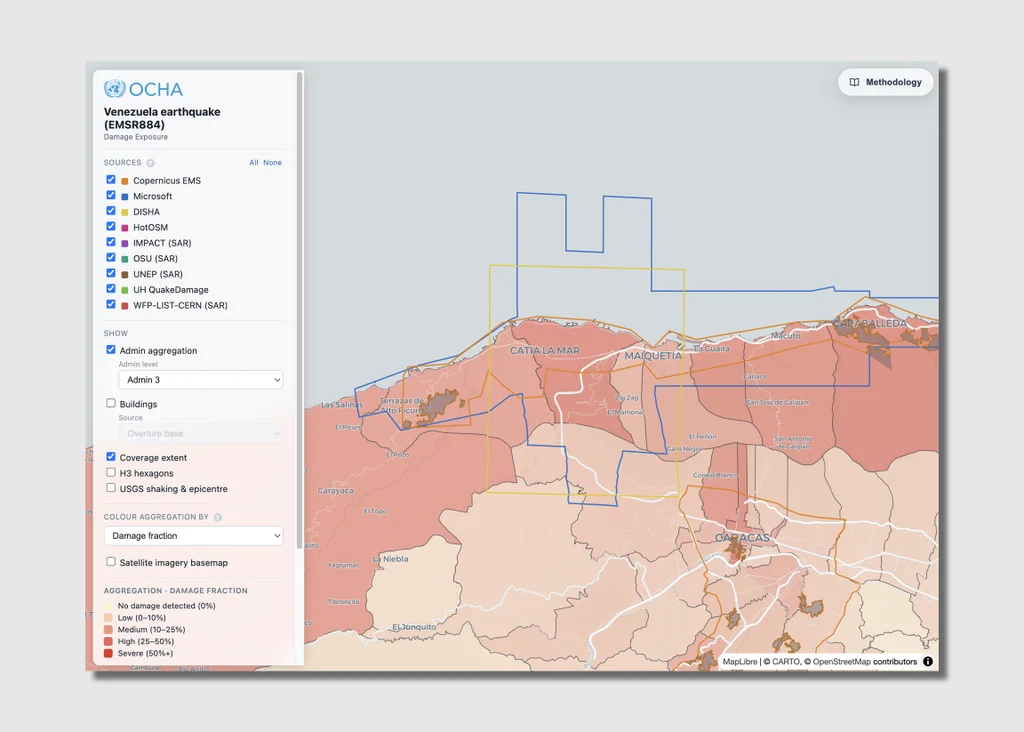
Minutes after catastrophic earthquakes struck Venezuela in June, GiveDirectly got an AI-generated snapshot of the disaster from an internal tool. Then it used other AI tools that analyze satellite imagery to pinpoint the hardest-hit neighborhoods, paired that with poverty data, and posted flyers in person inviting families to apply for aid. Three weeks later, it started sending cash directly to the phones of the people who needed it most.
It’s a faster way to help people than some traditional humanitarian responses—and it’s one of several ways that humanitarian organizations are making use of AI to reach as many people as possible at a time when the sector has faced billions in funding cuts.
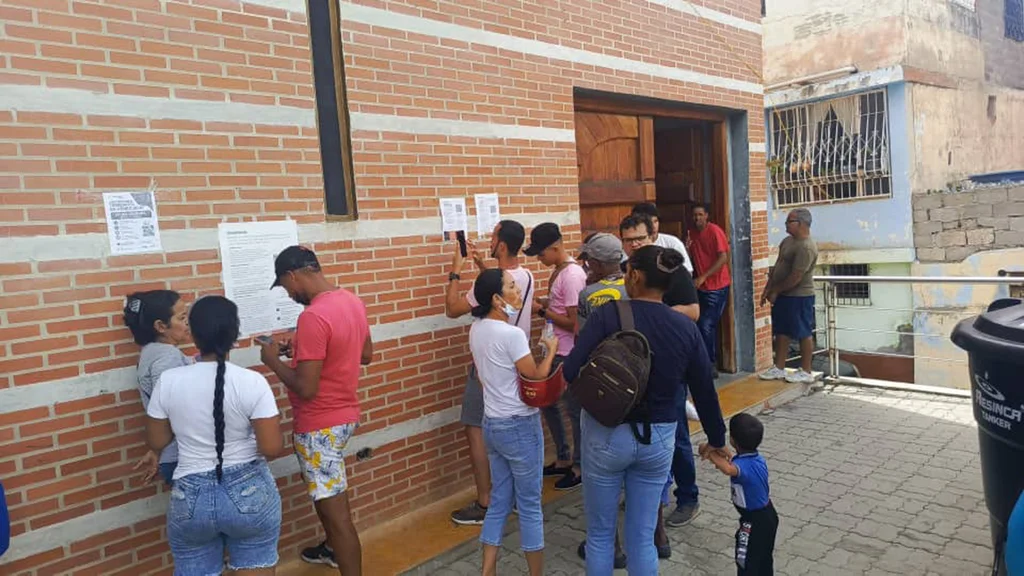
In most cases, AI is working alongside humans. Multiple tools now exist to identify damage from satellite images, but the accuracy isn’t yet perfect, so GiveDirectly sent a team on the ground in Venezuela to verify which locations had the most damage and should be prioritized. The nonprofit also used an AI tool to look for photos of tent communities that were popping up after the disaster; human volunteers from Humanitarian Open Street Map Team helped verify the AI results.
The nonprofit Mercy Corps is using agentic AI to help analysts more quickly prepare reports after disasters. “It doesn’t replace our analysts,” says Nayid Orozco, AI solutions and delivery manager at Mercy Corps. “It takes care of that mechanical work or repetitive research, so they can spend more time using their expertise and making decisions.”
In Sudan, the organization recently used the internal tool, developed with Cloudera, to pull security data, displacement data, and other reports, along with news in various languages. In the past, analysts spent several hours or days gathering information. The AI tool—which only uses specific trusted sources, and links to citations—helps cut the total time to produce this type of report in half.
The International Rescue Committee (IRC) uses AI tools in a variety of ways to help refugees and other displaced people. To help find children who need vaccinations in areas where people have been displaced, one tool uses satellite data to help identify where the population has shifted and where teams should focus their efforts. (The tool also includes dynamic routing, so it’s easier to reach remote areas when roads are cut off.)
Frontline workers are still “absolutely indispensable,” says Jeannie Annan, head of innovation research at the IRC. In the case of immunizations, AI makes it possible for workers to reach more children, “but it’s still the humans who are giving the vaccines,” she says.
Another AI tool under development is designed to help detect mpox, which is quickly spreading in Africa, with confirmed cases in 15 countries. An app, which runs offline and works on older phones, analyzes skin lesions using a database of tens of thousands of images. That can help healthcare workers more quickly identify a disease that looks similar to others in its early stages—and helps healthcare workers decide when patients should quarantine and others should get vaccinated in certain areas to stop the spread.
The tool could also be expanded to help identify Ebola and rarer cases of anthrax or the plague—”diseases that clinicians inherently don’t have a lot of experience with, but you never want to miss,” says Megan Coffee, a senior specialist in infectious diseases at the IRC.

In classrooms in refugee camps, the organization is using other AI tools for education, including to provide content in a diverse range of languages. “We’re in over 40 countries around the world,” says Katherine Rodrigues, a strategy director at the IRC. “Sometimes in these classrooms, you’ve got 100-plus kids who are speaking all kinds of different languages—we’ve got folks coming from different countries. And so we have to be able to adapt content fairly quickly for these contexts.” (The organization is also working with Anthropic to improve AI capabilities in rarer languages.)
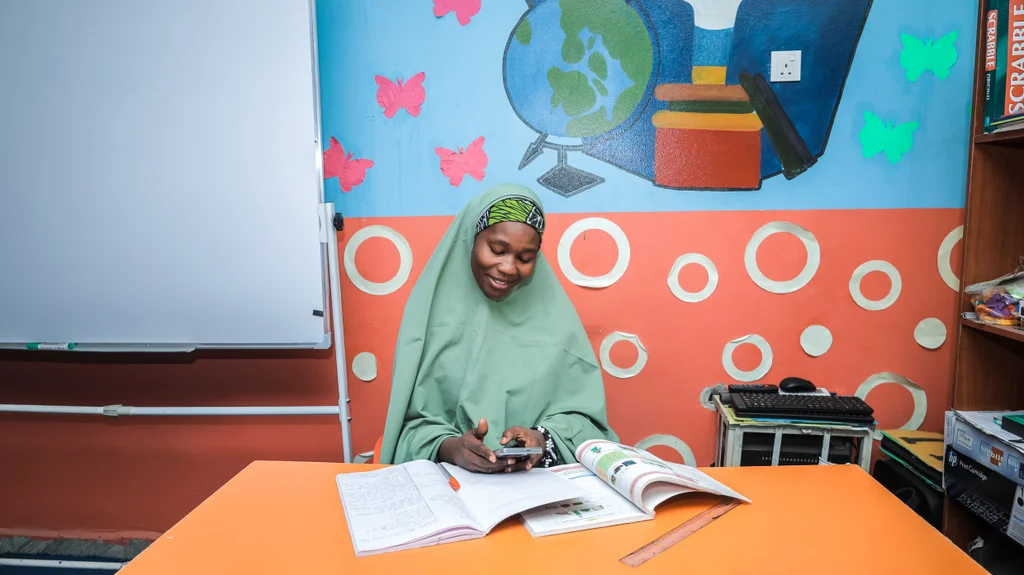
One AI tool, available through WhatsApp, helps mentor teachers in countries like Nigeria and Ecuador. A “pop-up learning” AI tool on tablets, piloted in Tanzania and Bangladesh, helps students catch up with the help of facilitators who may not be trained as teachers.
The organization uses AI cautiously. The educational tools are meant to be used with a teacher or another caregiver, rather than by students on their own. (The use is also limited by practical realities: because of constraints on resources, one classroom might only have one shared tablet.)
Another IRC tool, called Signpost, started as a digital help desk for refugees staffed by other people who’ve experienced displacement, with humans answering questions about where to find shelter or medical help. But a new chatbot is designed to make it possible to reach ten times more people, with a response time that’s 99% faster. The chatbot is currently being piloted in Mexico.
Obviously, all of this has to be handled carefully: the last thing that someone in a crisis needs is a hallucinated response from AI. (In the pilot, the IRC uses humans to monitor responses, and some more sensitive questions are answered only by humans.) Another tool, piloted in Jordan and Mexico, is designed to help refugees connect with mental health care. The team has moved slowly in development, working closely with an advisory board of people in the communities.
But the tool has already been undeniably useful, helping reach people who otherwise wouldn’t have sought help from a therapist because of the stigma. “One of my favorite quotes from someone participating in this program is it’s like having a hidden friend…they didn’t trust that they could go and speak to someone around them because they’d be afraid of how they’d be seen, how they’d be labeled,” says Britt Titus, the director of innovation design and learning at the IRC’s Airbel Impact Lab. The tool is designed to encourage people to get help from a therapist; in trials, it’s successfully convincing people to get care.
The UN’s refugee agency has noted that it’s well aware of AI’s weaknesses—including its tendency to sometimes make up facts—and the privacy risks that might exist in some use cases. It’s working with other agencies and tech companies on principles to protect refugees. Still, like the other groups, it’s also using internal AI tools. When it created a new multi-year strategy for the world’s largest refugee camp in Bangladesh, for example, it used an AI tool to sift through reports faster.
Generative AI “gave us back the hours we needed to sit with refugees and host community members, to validate assumptions and fine-tune solutions,” Hiroshi Miyauchi, a senior protection officer at UNHCR, said in a case study.
AI is also helping enable new ways to respond to crises. Google’s AI weather tools, for example, can predict certain major floods days in advance. Organizations like GiveDirectly use that data to help give families cash assistance in advance—so they can buy extra food, for example, before flooding cuts off roads used for deliveries. Right now, as monsoon season is underway in Bangladesh, the team is waiting for a possible alert of an impending flood. When the AI flags a problem, they’ll be ready to act.
In all of these projects, the goal is the same: not replacing human workers, but helping them reach more people in need.
investment News

