
I fell down the health-maxxing rabbit hole—and crawled my way out
- Investment Opportunities Markets
 Peter Lynch
- 21 minutes read
Piles of collection kits and instruction booklets surround my laptop in a manner that would make a lab technician weep. To my left, there’s a package containing a swab of my inner cheek, which will tell me my biological age, a reflection of cellular damage over time. To my right, there are two poop samples from the past few days, the small plastic vials discreetly tucked into envelopes, primed to reveal the state of my gut microbiome.
Now, bleary-eyed on a weekday morning in June, I try to gather enough saliva to determine my cortisol levels, and thereby my stress. If only my 7-year-old son, an early riser, would stop knocking on the office door seeking help with a packing list he’s making for his upcoming camping trip.
“How do you spell ‘pajamas’?” he asks, kneeling on the floor with his notebook, as I painstakingly accumulate spit in a small tube. The instructions suggest thinking about delicious foods to generate more saliva, but I’m struggling to reach the designated line, even while dreaming of coffee. Will the stress of taking the test influence my results?
Fifteen minutes later, as I try to coax vibrant red droplets from my pricked ring finger onto a paper collection card, I’m beginning to think that visiting a doctor’s office would be far easier than trying to play lab worker and lab rat at the same time. After all, my health is fine, more or less—or at least I think it’s fine.
With every new diagnostic that appears in my social feeds and podcast queues, though, doubts creep in. Wouldn’t it be nice to know that my biomarkers are all normal? I remember asking myself just a week ago, as I added another test to my cart. A golden age of preventive health awaits those with the cash to pay hundreds of dollars for data on mitochondrial function and gut diversity, a step beyond the basic biomarkers offered by Oura Rings and Apple Watches. I’m curious what it will feel like to join the ranks of the optimized elite.
I got my first taste of this ascendant world last year. I had been diagnosed with dermatitis and was trying to avoid exposure to a long list of allergens, including scents, that my dermatologist determined had been irritating my skin. Despite throwing out nearly every lotion, soap, and detergent that I owned, my symptoms were still severe enough that I was struggling to sleep at night. I was itchy and miserable. That’s when I started seeing Instagram ads for Tiny Health, with before-and-after photos of dry, inflamed skin. One pledged to help “address the root cause of chronic conditions,” while another said that “eczema is more than a skin issue.” Had Meta heard me complaining to my husband? Or seen me searching for causes and treatments? Gut health, Tiny’s ads told me, is “connected to inflammation, energy levels, mood, and so much more.” Didn’t I owe it to my middle-aged self to investigate?
The $6.9 billion rabbit hole
Basic home diagnostics, from mercury thermometers to pregnancy tests, have been around for decades. During the pandemic, we swabbed our noses for COVID-19 and saw rapid antigen test results in just minutes. Now, there are mail-in kits for heart health, hormones, metabolism—almost every biomarker imaginable—and a distributed lab infrastructure to match. According to Precedence Research, the home diagnostics market was worth $6.9 billion last year and will nearly double in size by 2035.
Some of the tests being developed address critical needs in potentially revolutionary ways. Last year, the Food and Drug Administration (FDA) authorized the first-ever at-home diagnostic for chlamydia, gonorrhea, and trichomoniasis in women, made by the startup Visby Medical. Another company, Teal Health, has developed an FDA-approved at-home screening for cervical precancer, designed as an alternative to the clinician-administered Pap smear (“Skip the speculum,” Teal’s website says). Chronic diseases that require ongoing management could also benefit from self-testing, by helping patients quickly catch an increase in cholesterol, for example.
But the majority of the home-testing companies that advertise on social media focus on preventive health and wellness—often sidestepping FDA regulatory requirements associated with clinical diagnostics. In doing so, they walk a fine line. They can evaluate your blood and tell you that your apolipoprotein B (ApoB) levels are higher than optimal, a possible indication of clogged arteries, but they can’t diagnose heart disease. While the results feel medically useful, in practice they are more like health “infotainment,” the kinds of cocktail-party curiosities that DNA-testing companies like 23andMe pioneered. For self-testing companies, personalized insights can become the opening salvo in a campaign to get customers hooked on monthly subscriptions for vitamins and supplements, wellness coaching, and even more tests.
“We love to learn about ourselves, but there’s only so big a market for that, both in terms of absolute numbers and willingness to pay,” says Jenny Rooke, founder and managing director of the biotechnology venture firm Genoa Ventures. Companies that start as infotainment, she says, “end up running into trouble [because] there’s an incentive to make stronger and stronger claims to seem more valuable.”
For consumers, what’s potentially most confusing is the way in which science and snake oil, clinical and curiosity, commingle. On Everlywell, an online store for consumer diagnostics, it’s possible to shop for a hepatitis C test ($69) as well as a gut microbiome test ($485) that promises “AI-powered diet and lifestyle recommendations tailored to you.” The first includes a follow-up with a clinician in case of a positive result; the second reflects our still-evolving knowledge of the gut microbiome and includes a report with “potential health associations.” Of course, for consumers who are fed up with Big Medicine and Big Pharma and determined to do their own research, “potential health associations” may be good enough.
At my cluttered desk, I bandage my fingers and carefully place my flesh and blood in the correct shipping containers, wondering what secrets these fragmented pieces of myself contain. Previous generations looked to religion and philosophy to “know thyself.” Our metric-hungry generation seeks answers in measuring vascular function, neurotransmitter production, and epigenetic age. But as I begin putting myself under the microscope, I realize that answers can still be more elusive than ever.
The hook
If you decide to throw yourself down the self-testing rabbit hole, the first place you will likely find yourself, as I did, is the manosphere. It’s here that wellness-oriented self-diagnostics have found an eager audience, as influencers who have been pushing testosterone, peptides, lifting regimens, and more, belatedly realize the importance of establishing a foundation before maxxing their bodies.
“Are those workouts working? Are those vitamins working? Most of us are running around blind,” says a shirtless man in drawstring sweats who appears on my TikTok feed, a clear sign that the algorithms have caught on to my interest. He’s pitching an at-home blood test from Rythm Health, but his mustache, washboard abs, and Telluride baseball hat do most of the talking. “Why wouldn’t you test your blood and understand where you’re at?” he continues, gesturing to the small collection device and vial attached to his tattooed upper arm. “Go save some money on the superfoods. Go save money on the supplements you don’t need. Test your blood and understand your baseline. It’s so simple.”
Rythm, which bills itself as the “world’s easiest blood test,” delivers data on 25 biomarkers for $79 per month. In ads, customers demonstrate Rythm’s ease of use, pressing the device’s red button with a satisfying “click,” and then extolling the benefits of regular blood testing while slowly and effortlessly accumulating 1 milliliter of blood in a vial destined for distant labs. Theranos founder Elizabeth Holmes languishes behind bars. Rythm, meanwhile, has raised $55.9 million in venture funding and counts Diplo and Odell Beckham Jr. among its brand ambassadors.
It’s not just Rythm saying that serious healthmaxxers require serious biomarker data. Take Dana White, the larger-than-life president and CEO of Ultimate Fighting Championship. He’s featured in a Facebook ad for 10X Health, a precision health system with outposts in Scottsdale, Arizona; Las Vegas; and Miami. “Doctors couldn’t solve my health problems for 10 years . . . until I met 10X Health,” the ad quotes White as saying, alongside a clip from Joe Rogan’s show (on which White and his health maharishi, 10X cofounder Gary Brecka, have both appeared).
“It all starts with a test,” 10X’s website says at the top of its shop page, above a 10X Health Precision Genetic Test ($1,299), a 10X Methylation Genetic Test ($599), and a mitochondrial efficiency test ($699). After testing, 10X customers might consider purchasing a 10X Health Hydrogen Water Bottle ($299.99), 10X Methylene Blue Drops to support mitochondrial function in piña colada flavor ($39), or 10X Alpha ($40), a testosterone support supplement “rooted in the time-tested strength of Southeast Asia’s Tongkat Ali,” as the description reads.
“Consumers are just stacking, randomly, longevity hacks,” says Jeff Zwiefel, president and COO of 10X Health (Brecka departed two years ago). “They don’t understand their own baseline biology, and they’re also not starting with the fundamentals.”
I find myself nodding along to Zwiefel’s logic. After all, so many women I know are demanding hormones from their doctors without first testing their base levels. But later, scrolling 10X’s website, I don’t see much mention of what I know to be the actual fundamentals of good health: sleep, exercise, nutritious meals, and the occasional belly laugh. That kind of commonsense advice, I suppose, has always been free.
The tests and results
Consumers who don’t enter the home diagnostics pipeline through the manosphere might be lured in by their frustration with the traditional healthcare system. That certainly describes me: Prior to my dermatitis diagnosis, my dermatologist’s office had tried to address my symptoms with prescription creams containing ingredients that I was later told to avoid. Why had I been slathering my itchy, angry skin with medicine that made me feel worse? I wanted to confront my dermatologist, but she had disappeared on an overseas sabbatical.
I decide to take matters into my own hands, starting with my gut microbiome, which a large body of research has tied to skin conditions, as well as to immune system functionality. First, I order Tiny Health’s Adult Gut Test ($249). At the same time, I decide to try Viome’s Full Body Intelligence Test ($399), which promises to deliver more than 370 food recommendations, plus 70 wide-ranging health scores on everything from serotonin-promoting microbes to cellular senescence. For good measure, I add a Cortisol and Stress Test ($99) from Everlywell. While the cortisol test is designed to provide “insight into how stress may affect energy, sleep, and mood,” I’ve observed over time that stress can aggravate my dermatitis. I wonder if high cortisol levels could play a role in my symptoms.
For Tiny’s test, I use a swab to collect a stool sample from soiled toilet paper. I also complete an intake quiz with questions about my antibiotic use, the type of environment I live in, and other lifestyle factors that might affect my results. When Viome’s test arrives, I balk at the four minivets—tiny collection tubes that I’ll need to fill with blood—plus the collection kits for stool and saliva. But the anticipation is worse than the process itself. (I’m grateful that Viome includes two lancets—I have to prick a second finger before I get the hang of the minivets.) Finally, I turn to Everlywell’s test, which requires blood and saliva and is the worst of all. The instructions dictate that I need to fill four saliva tubes, at two-hour intervals, a task that the tubes’ poor design renders interminable. But then it’s done, and off to the labs my samples go.
A few weeks later, my first results are in. Tiny delivers its assessment with a digital report that humanizes what would otherwise be scientific jargon. It tells me that my gut type is Lachnospiraceae, the news accompanied by an illustration of a cute microbe in a cape. Lachnospiraceae is a “fiber-digesting superhero,” according to Tiny; my gut apparently excels at digesting foods containing starch, inulin, and pectin. I breathe a sigh of relief at my overarching gut-health score: 83 out of 100, indicating that the diversity, balance, and function of the microbes in my gut are relatively strong for someone my age.
Viome’s results are more dizzying. The company tells me that it has analyzed 315,000 of the “most relevant” biomarkers in my samples, out of 100 million potential options. My biological age is 44, a sobering two years older than my chronological age (though another testing company, Tally Health, says my biological age is 36). I have five health scores that need serious attention, including my renin-angiotensin pathways (32 out of 100), which Viome explains as the “gene expression associated with blood pressure regulation.” Two of the ingredients that might help improve my score, coenzyme Q10 and vitamin D3, are included in the “precision” supplements that Viome can formulate for me, starting at $3.97 per day. I can also add personalized toothpaste ($1.97 per day), oral lozenges ($1.63 per day), and prebiotics and probiotics ($1.97 per day). Plus, there’s a long list of foods that I should enjoy or avoid. Eat lots of Puy lentils, one of my “superfoods”; skip the broccoli. Overall, Viome rates my gut and digestive health worse than Tiny did: 65 out of 100.
Then there’s Everlywell. My cortisol levels exceed the normal range, the company tells me, presenting the data in color-coded charts for morning, noon, evening, and night. My morning cortisol result is the worst of all, squarely in the red at 7.23 ng/mL, when a normal reading should be between 0.4 and 5.6 ng/mL. Is that because I’m not getting enough sleep? The test doesn’t say. It also can’t tell me whether my cortisol levels reflect chronic stress, as opposed to brief anxiety about an urgent deadline. On the results page of my account, Everlywell provides links to sites including the Mayo Clinic, but none of the information helps me understand what to do next.
I hop from one results tab to the next late at night on my laptop, checking footnotes and following links to scientific papers and cutting-edge probiotics. I feel a little lost, and no closer to addressing the underlying cause of my dermatitis. I consider giving up. But then I have a chance encounter with modern medicine.
The remedy
Around the same time I start seeing ads for self-diagnostics, I happen to mention to my children’s pediatrician that I’m frustrated with my dermatologist and at my wit’s end with my symptoms. At her recommendation, I reach out to a practice known for taking the most difficult eczema cases.
Less than two weeks later, I leave my first appointment in a daze. Instead of lecturing me on the importance of absolute adherence to allergen avoidance, this dermatologist has recognized my pain and given me a double dose of Dupixent, a drug designed to treat the underlying inflammation that leads to itching like mine. Administered via injection, Dupixent is wildly expensive and will exhaust my health plan deductible (the average retail price for a month’s supply is $8,810.37, according to my insurer). But compared to the $747 I’ve spent on confounding self-diagnostic results—and the hundreds of dollars more I might have put toward supplements and other supposed remedies that might not have worked—I realize that every penny I’ve devoted to this miracle drug has been worth it. For the first time in a year, I feel comfortable in my own skin. By my own measure, I’m 100% optimized at last.
Testing, Testing, 1-2-3: From mercury thermometers to the Teal Wand, home diagnostics have been influencing our relationship with our health across time. By Jenn Ward
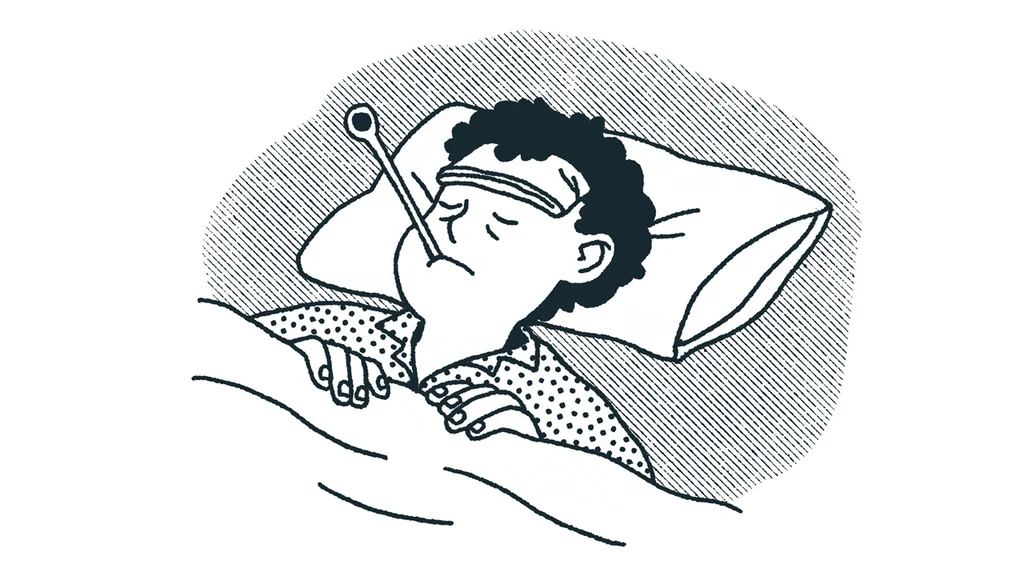
1714
The first reliable, standardized mercury thermometer is invented.

1956
Clinistix invents the first at-home dip-and-read paper test strip, which is able to track glucose in urine.
1962
Del Mar Engineering Laboratories releases the Holter monitor for gathering ECG data at home.
1973
Omron launches the sphygmomanometer, the first blood pressure monitor for at-home use.
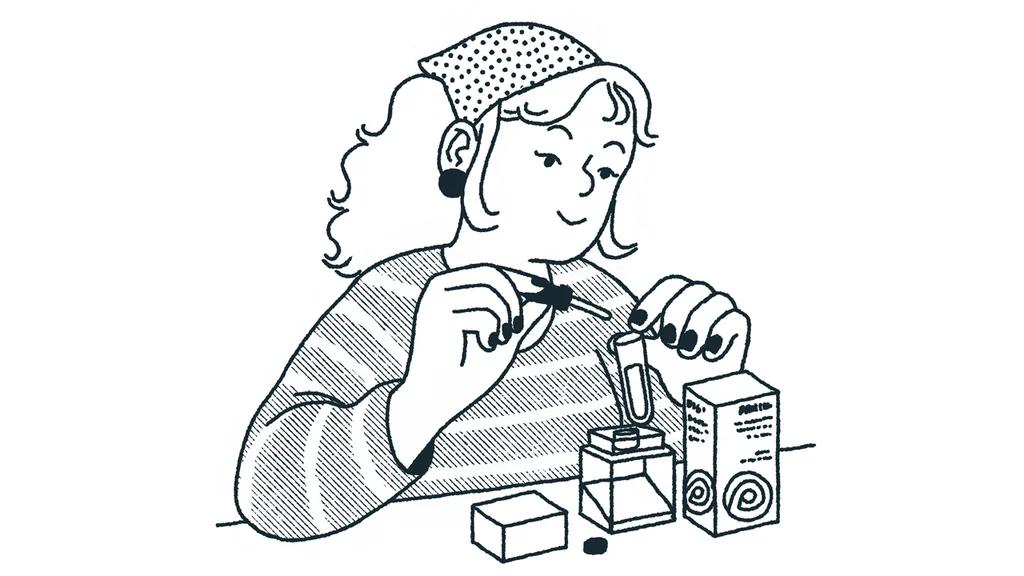
1978
The original pregnancy test is a mini chemistry set and takes two hours to deliver results.
1980
The dextrometer, the first portable blood glucose meter, is designed for home use.
1984
Hemoccult tests become available for at-home use to test for blood in stools.
1987
MediSens commercializes the first glucose biosensor for at-home use.
1993
Accumeter debuts a handheld cholesterol self-test kit allowing users to measure cholesterol levels.
1995
The first fingertip pulse oximeter is launched for affordable at-home use.
1996
The Doctor Mom Original Otoscope allows parents to check their kids for ear infections at home.
1996
The first FDA-approved at-home HIV test kit, Confide, requires users to send blood samples to a lab.
1996
University Diagnostics launches the first at-home genetic test that enables users to explore their own genomes.

1998
WebMD launches, helping self-diagnoses without a doctor’s visit.
2011
Motoactv is the first smartwatch that can track health data.
2020
Lucira’s COVID-19 test becomes available for at-home use.
2023
A dual at-home COVID-19 and flu test, also from Lucira, is approved by the FDA for emergency use.
2024
Sanguina launches the first FDA-approved at-home hemoglobin test for anemia or erythrocytosis.
2025
The Teal Wand, the first at-home test for HPV, a virus that leads to cervical cancer, debuts.
investment News
10x,Fall 2026,health & wellness,home diagnostic,Rythm,Subscriber Exclusives,viome

